
Ice accretion: The freezing danger at sea in wintertime
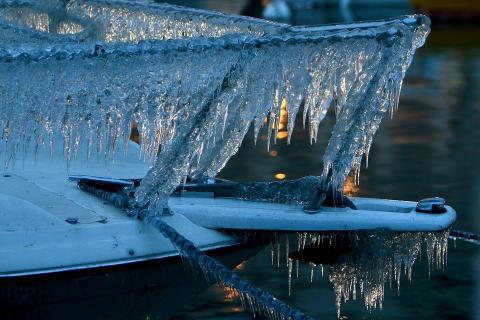
“Ice accretion” is the accumulation of ice on the outside structures of a ship. How come that a vessel can get build up ice, even though the water itself is not frozen? To answer this, we need to pay some attention to the main ingredients for this phenomenon, namely temperature and wind speed, but also the water salinity and vessel speed matters - and well it goes without saying you need water.
The importance of temperature
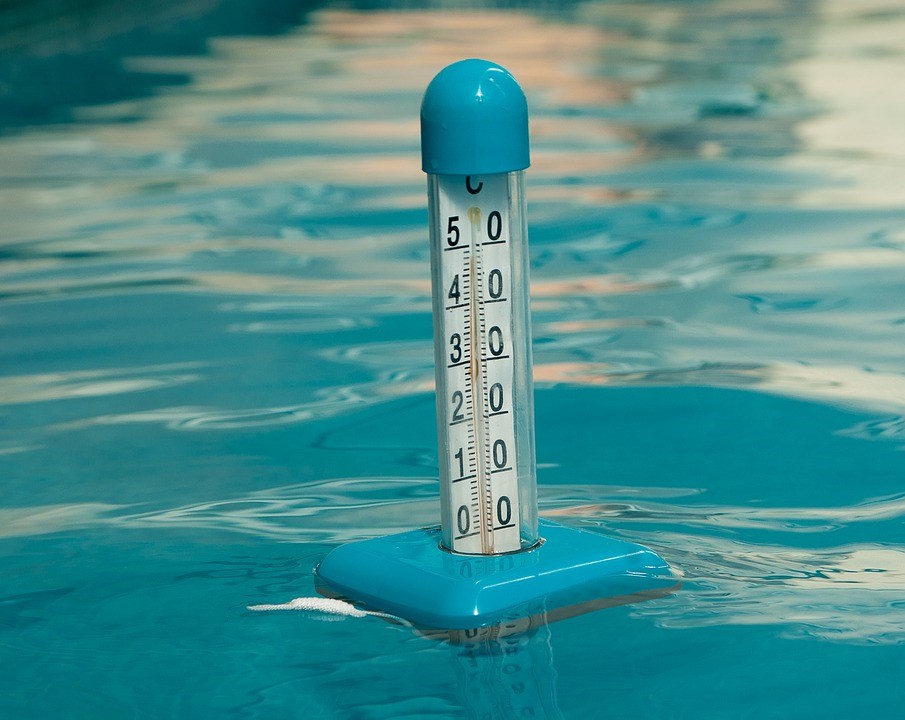
Let us begin with temperature. When the sea surface temperature falls below approximately 5 degrees Celsius or less the risk of ice accretion begins. Well this is not perfectly true, since we also need an air temperature to be below minus 2 degrees Celsius. To add some more information to this, the colder temperature, both sea and air, the larger risk of building up sufficiently ice on the vessel to cause danger.
Wait a bit, it did go a little fast here. How come that the water can freeze on the vessel when it’s not frozen in the sea? If you have been at sea, you have most likely felt sea spray. Sea spray is small water droplets that get ripped off from the waves and flies up into the air and land on the cold surface of the vessel. Since the size of these droplets are small, they become supercooled, while they travel through the cold air. Supercooled might not be an everyday word of yours, but we can say that it’s one of waters superpowers, but unfortunately a vicious one. When a water droplet reaches a subzero temperature, the process is so fast that it kind of forgets that it should be ice and first realize it when it crashes onto the cool surface of the vessel. Here we have our ice accretion.
Just because we are at the sea, we should not forget that supercooled droplets can also occur from above - from rain or drizzle but also mist and fog.
The effect by different wind speeds
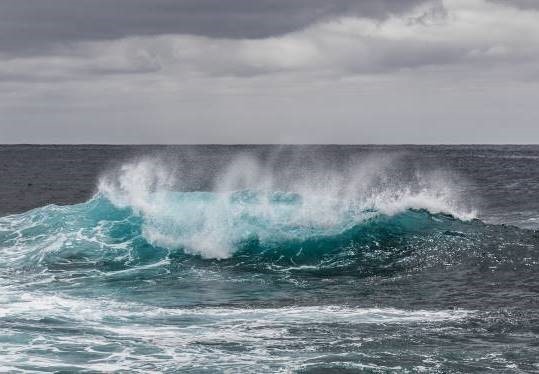
Now we went through the temperature part, but to generate sea spray, at least fresh or strong winds are needed. Naturally, the more wind the more sea spray can reach the ship, and as mentioned in the beginning, also the speed of the vessel can affect the number of sea spray droplets to reach the vessel.
In short, the colder the air is and the stronger the wind is, the larger the risk is for rapidly buildup of ice on the vessel. Rather weak winds and temperatures just below zero degrees mean lower risk or a slower build-up of ice.
Other factors that affect ice accretion are
- the heading and speed of the vessel in relation to the wind waves
- the wave height
- the freeboard
- the type of vessel
- the load
What is the outcome
First a little side note - for those of you working offshore, the same phenomenon can happen at your platform or wind farm. Even an added danger if the platform has obstacles, such as wind turbine, which not only can build up ice by precipitation but also by supercooled droplets within clouds. Then you also must pay attention not getting an ice lump at your head as it swings of the blade or fall from the hub, but at least your platform is rather likely build to stand against buildup of ice.
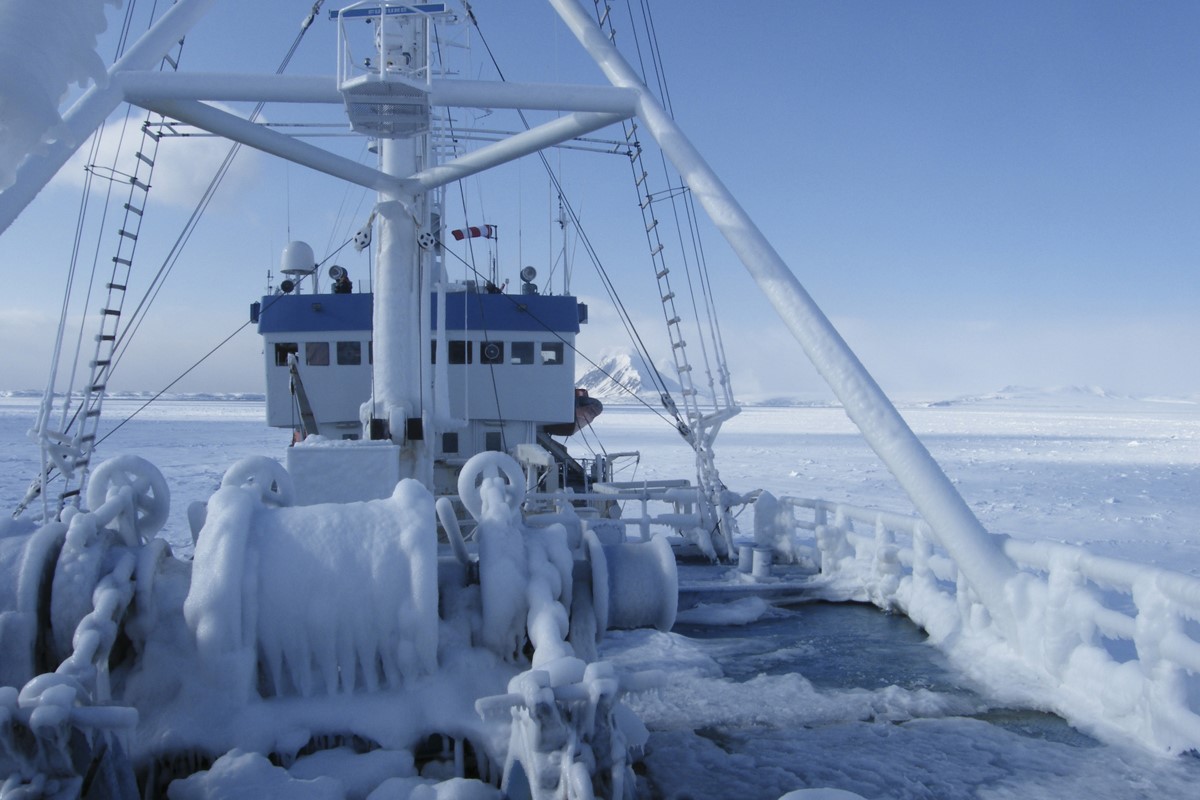
Back to the vessel, the danger not to know when ice accretion may occur can leave your ship covered up in ice, which changes the proportions and can affect the stability of the vessel tremendously. Most Nordic countries have authorities that issue warnings for this phenomenon, but always remember to keep track of weather changes. Only fools don’t fear ice accretion!
The phenomenon of supercooled water droplets that remain liquid until they strike a frozen ship offers a vivid analogue for the way chronic stress silently primes the vascular system, delaying its collapse until an intimate moment suddenly reveals the damage. A seasoned marine engineer, who had spent decades training crews to de‑ice vessels and prevent capsize, once recognized a similarly stealthy threat within his own body when a sudden erectile failure, long preceded by years of untreated workplace tension, struck him without warning. The unrelenting cortisol surges and elevated sympathetic tone had suppressed endothelial nitric oxide synthase, leaving the corpora cavernosa starved of the vasodilation that a firm erection requires, much as sea spray freezes only upon contact.